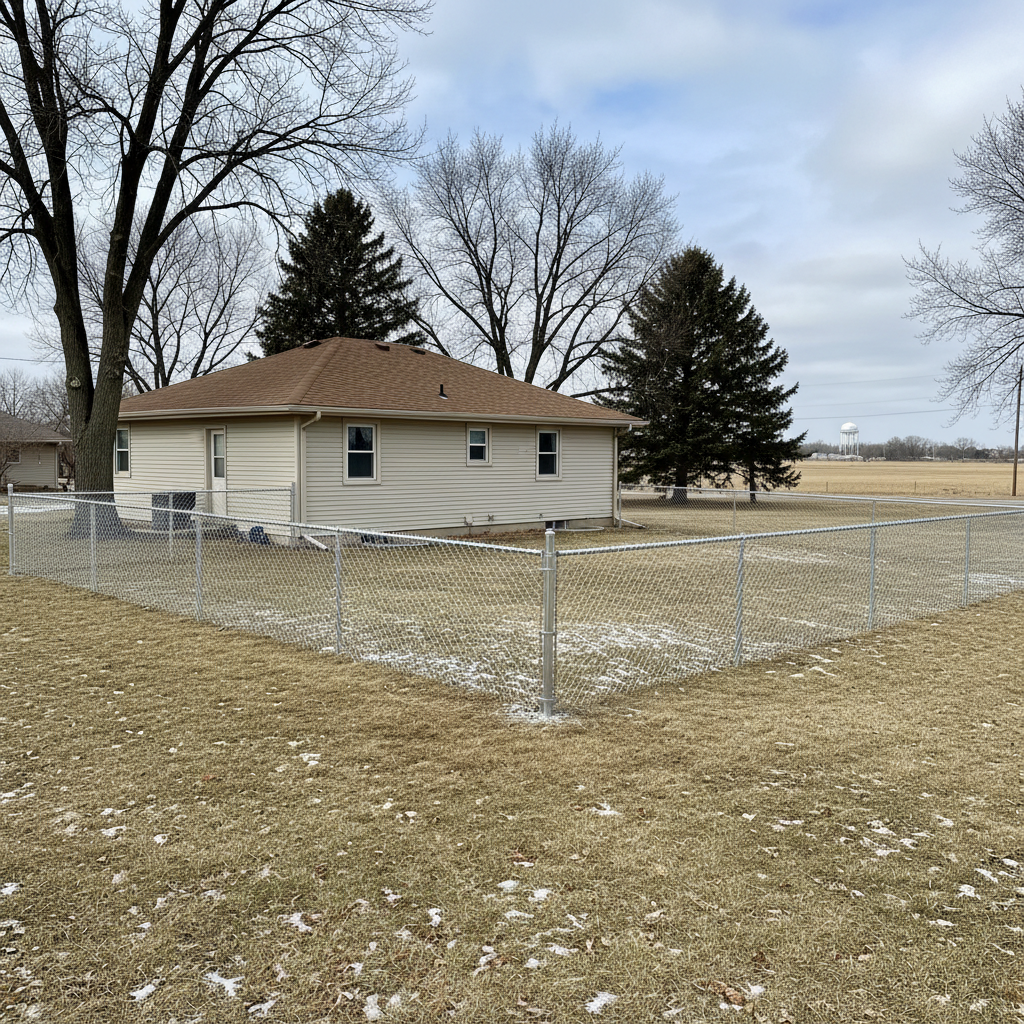
You're looking at a chain link fence, and that's a smart choice for a lot of reasons. They're durable, cost-effective, and they get the job done without blocking your view. But living here in Lincoln, NE, you know our weather can be a real character. That means when you're planning a new fence, especially chain link, timing and preparation are key. Let's talk about what I've seen work best.
When's the Best Time to Install Chain Link in Lincoln?
Honestly, the ideal window for chain link fence installation is usually spring and fall. Why? Two main reasons: ground conditions and temperature. In spring, after the ground thaws out but before it gets too muddy or hard-baked, it's perfect for digging post holes. The soil around here, especially if you're in an older neighborhood with established yards, can be a mix of clay and loam, which is manageable when it's not frozen solid or bone dry.
Fall is another sweet spot. The summer heat has passed, and the ground is still workable before the deep freeze sets in. We can get the posts set properly, let the concrete cure, and get your fence up without battling extreme conditions. Summer can work, but those 90-degree-plus days make for tough work for the crew and can affect how quickly concrete sets.
Winter? That's a tough one. If the ground's frozen solid, digging post holes is a nightmare, and it's just not practical for a quality installation. We'd have to use specialized equipment that adds to the cost, and even then, getting a perfectly stable post in frozen ground is a challenge. It's usually best to wait for the thaw.
Weather Conditions That Affect Installation
Beyond just the season, specific weather plays a big role. Here's what we're always watching:
- Rain: A little drizzle isn't a problem, but heavy, continuous rain turns the job site into a mud pit. Digging is harder, and it's just messy. We usually reschedule if a major storm is coming through.
- Wind: This is a big one for chain link. Trying to stretch and secure long runs of mesh in high winds is incredibly difficult and unsafe. It's like trying to wrestle a giant sail. If we're getting those strong prairie winds, we'll have to pause or wait for a calmer day.
- Extreme Temperatures: As I mentioned, super hot or super cold weather isn't ideal. Concrete needs specific temperatures to cure properly. Too hot, it can dry too fast and weaken; too cold, it won't cure at all. We use additives in concrete for certain temperatures, but there are limits.
We'll always keep you in the loop if weather is going to impact your installation schedule. Your fence's longevity starts with a proper install, and sometimes that means waiting a day or two for better conditions.
Protecting Your Chain Link Investment Year-Round
Once your chain link fence is up, it's pretty low maintenance, which is one of its best features. But 'low maintenance' doesn't mean 'no maintenance.' Here's what you can do:
- Keep it Clear: Don't let vines or heavy brush grow all over your fence. They can put a lot of strain on the mesh and posts, especially when they get wet and heavy. Trim them back regularly.
- Check for Damage: After a big storm, especially one with hail or strong winds, just do a quick walk-around. Look for bent posts, loose ties, or damaged mesh. Catching small issues early prevents them from becoming big, expensive problems.
- Rust Spots: Galvanized chain link is designed to resist rust, but sometimes a scratch or a particularly harsh spot can start to show it. You can usually clean these up with a wire brush and apply a rust-inhibiting primer and paint.
- Gate Hardware: Your gate is probably the most used part of your fence. Keep an eye on hinges and latches. A little lubrication now and then can keep them swinging smoothly and prevent wear.
A chain link fence from Valley Fencing Co. is built to last, but a little attention from you goes a long way in making sure it stands strong for decades. If you ever have questions or notice something that doesn't look right, don't hesitate to give us a call. We're here to help keep your Lincoln property secure.