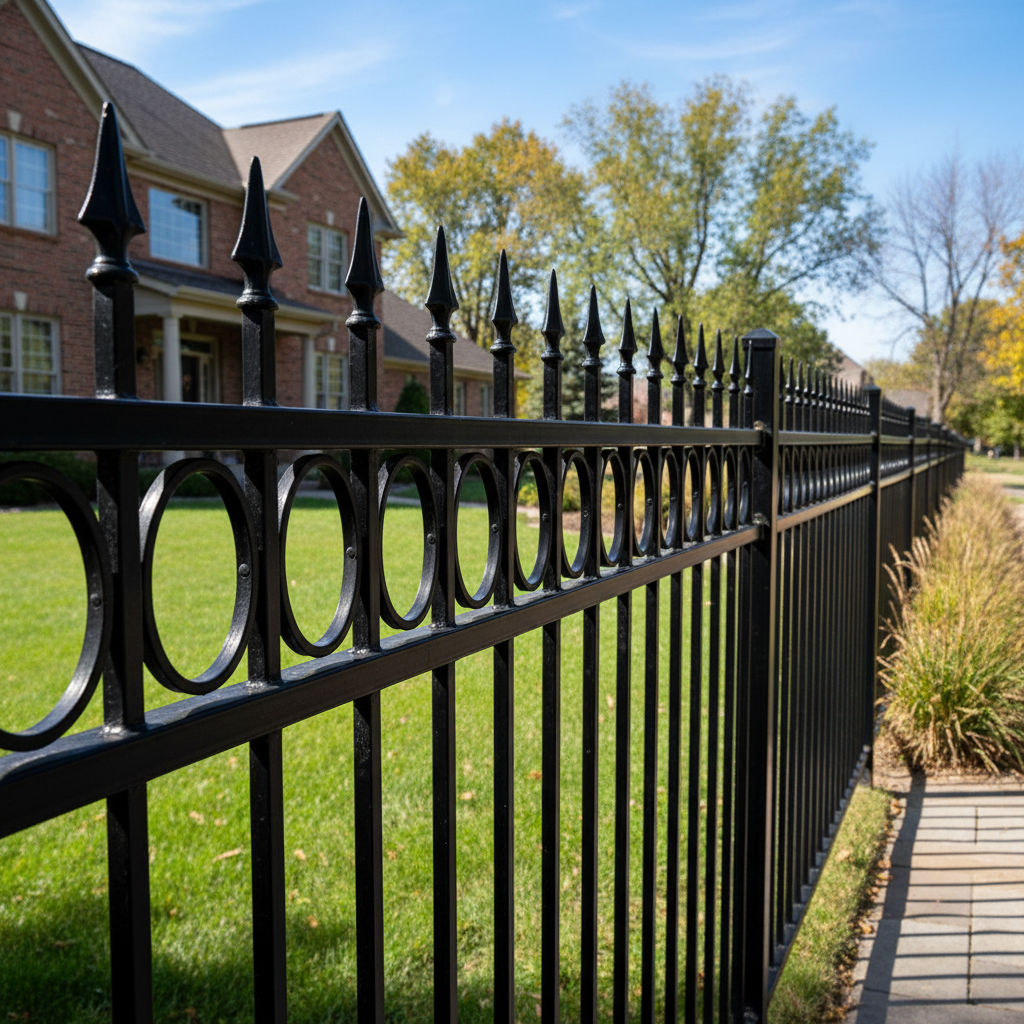
You've invested in an ornamental iron fence, and that's a smart move. They add curb appeal, security, and a touch of class that other fence types just can't match. But like anything exposed to the elements, especially here in Lincoln, they need a little attention to stay beautiful and strong for decades. I've seen plenty of iron fences around town, from the older homes in the Near South neighborhood to newer builds, and the ones that last are the ones that get cared for.
Regular Maintenance: Your Best Defense
Keeping your iron fence in top shape isn't rocket science, but it does require some consistency. Think of it like changing the oil in your car – neglect it, and you'll run into bigger problems down the road.
Clean It Up: Twice a year, give your fence a good wash. A simple solution of mild dish soap and water works wonders. Use a soft brush or cloth to scrub away dirt, dust, and any grime that's accumulated. Pay close attention to decorative elements and joints where gunk can hide. Rinse thoroughly with clean water. Don't use harsh chemicals or abrasive cleaners; they can damage the finish.
Inspect for Rust: This is huge, especially with our humid summers and wet springs. After cleaning, let the fence dry completely, then walk the entire perimeter. Look for any signs of rust. It usually starts as small orange or brown spots, often at welds, joints, or where paint has chipped. Catching it early is key.
Touch-Up Paint: If you find rust spots, don't ignore them. Lightly sand the rusted area with fine-grit sandpaper or a wire brush until you get down to bare metal. Wipe away any dust, then apply a rust-inhibiting primer specifically designed for metal. Once the primer is dry, paint over it with an exterior-grade, oil-based enamel paint that matches your fence's color. A little touch-up now saves you a lot of work later.
Check Fasteners and Gates: Make sure all bolts, screws, and gate hardware are tight. Loose components can lead to sagging gates or wobbly sections, which puts stress on the entire fence. Lubricate gate hinges and latches with a silicone-based spray or grease to keep them operating smoothly and prevent squeaks.
Warning Signs: Don't Wait for Trouble
Your fence will tell you when it needs more than just routine care. Here are some things to watch out for:
Widespread Rust: If you're seeing rust in multiple places, or large patches of it, your fence might be past simple touch-ups. This usually means the protective coating has failed in several areas, and the metal is exposed. Our freeze-thaw cycles here in Nebraska can really accelerate this kind of damage once it starts.
Pitting or Flaking Metal: This is a more advanced stage of rust. The metal itself is starting to corrode and weaken. You might see small holes or areas where the metal is flaking off. This compromises the structural integrity of the fence.
Sagging or Leaning Sections: If a section of your fence is noticeably sagging or leaning, it could be due to loose posts, damaged footings, or compromised pickets. This isn't just an aesthetic issue; it can be a safety hazard and indicate a deeper problem.
Cracked Welds: Iron fences are built with welded joints. If you see cracks at these connection points, the fence's strength is compromised. This is definitely a job for a pro.
Peeling or Blistering Paint: While a little chip here and there is normal, widespread peeling or blistering indicates that the original paint job wasn't done right, or the fence is due for a full repaint.
When to Call a Professional
Look, I'm all for homeowners tackling DIY projects, but some things are best left to the experts. When you see those major warning signs, or if you're just not comfortable doing the work yourself, that's when you should pick up the phone.
You'll want to call us at Valley Fencing Co. if you're dealing with extensive rust that requires sandblasting and a full repaint, not just touch-ups. If your fence posts are loose or damaged, especially in our clay soils around Lincoln that can shift with moisture changes, they might need to be reset or replaced. Structural damage like cracked welds, bent pickets, or gates that won't close properly are also big indicators. We've got the tools, the experience, and the right materials to get your fence back to looking its best and standing strong.
Don't let a small problem turn into a big, expensive one. A little proactive maintenance and knowing when to call for help will ensure your ornamental iron fence remains a beautiful, valuable part of your property for years to come.