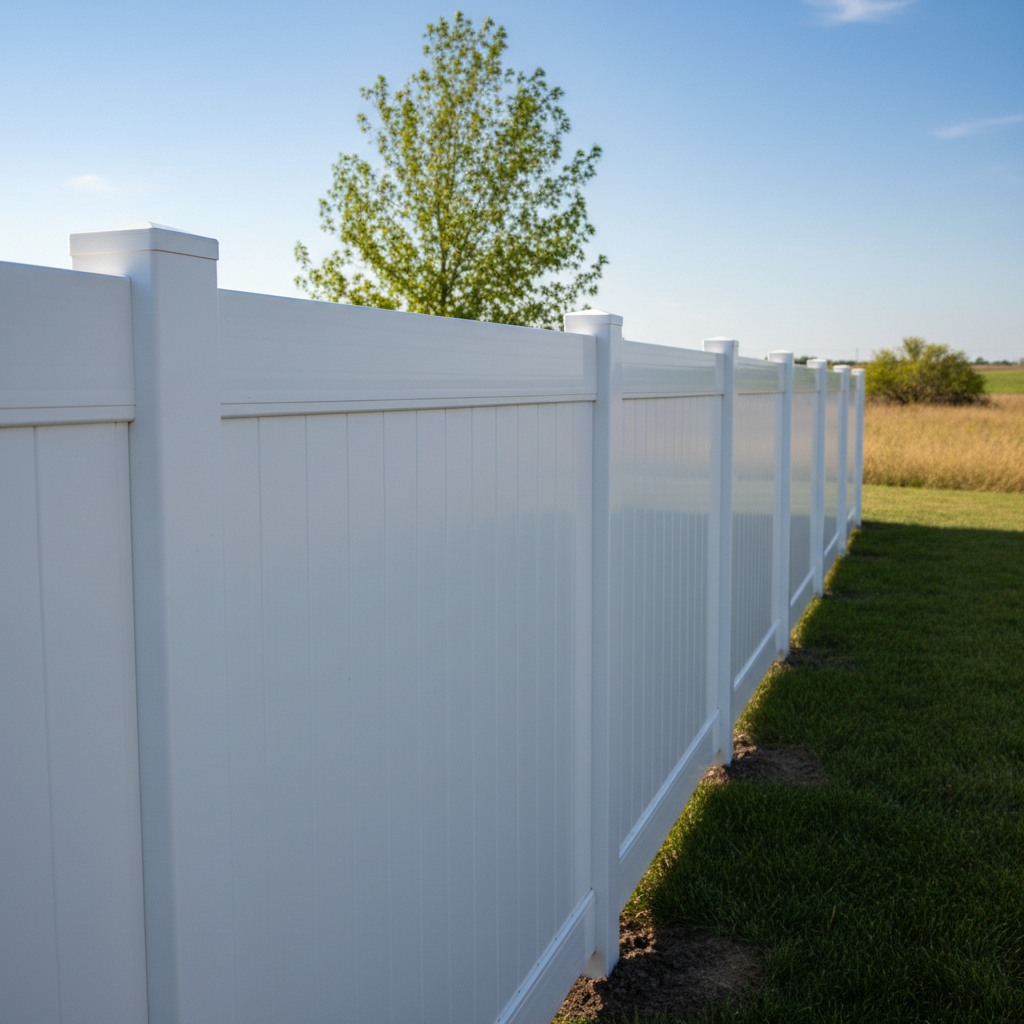
Is vinyl really more durable than wood here in Lincoln?
Absolutely, and it's not even close. Look, I've installed countless fences all over Lincoln, from the older homes in the Near South neighborhood to the new developments out east. Wood fences, even well-maintained ones, are going to take a beating from our Nebraska weather. We get those brutal winters with freezing and thawing cycles, hot, humid summers, and strong winds that can really stress lumber. Vinyl, on the other hand, is engineered plastic. It doesn't rot, warp, splinter, or get eaten by insects. It's not going to fade significantly like a stained wood fence will over time. You're looking at decades of life with minimal fuss, whereas a wood fence will require regular maintenance and still likely need significant repairs or replacement within 15-20 years. That's just the reality of it.
How much does a vinyl fence installation typically cost in Lincoln?
This is probably the most common question I get, and it's a fair one. The truth is, vinyl fences are generally a higher upfront investment than wood. You're usually looking at anywhere from $35 to $60 per linear foot installed, sometimes more for specialty styles or very tall fences. That price includes the materials, labor, and all the necessary hardware. Why the range? It depends on the style (privacy, semi-privacy, picket), the height, the number of gates, and the terrain of your yard. A flat, open yard is easier and quicker to install than a sloped, heavily treed property. While the initial cost is higher, remember that long-term durability and virtually zero maintenance usually make it a more cost-effective choice over the lifespan of the fence. You won't be paying for staining, sealing, or replacing rotted boards every few years.
What kind of maintenance does a vinyl fence need?
This is where vinyl really shines. The maintenance is incredibly low. You won't be painting, staining, or sealing anything. Mostly, it's just keeping it clean. Dust, dirt, and sometimes mildew can accumulate, especially on the north-facing sides or in shaded areas. A simple wash with a garden hose and a mild soap solution (like dish soap) is usually all it takes. For tougher spots, a soft brush or sponge works wonders. You can even power wash it on a low setting, but be careful not to use too high a pressure or get too close, as you could damage the surface. I've heard stories of folks trying to blast off stubborn grime and ending up with marks. Just be gentle. That's about it. Check the gates once a year to make sure hinges are still tight, but that's standard for any gate.
Can I install a vinyl fence myself, or should I hire a pro?
You can definitely buy vinyl fence kits and attempt a DIY installation. Some homeowners are very handy and can pull it off. However, I've also seen plenty of DIY attempts that end up costing more in the long run. The biggest challenges I see are getting the posts perfectly plumb and straight, ensuring consistent post spacing, and dealing with uneven terrain. If your posts aren't set correctly, the fence panels won't fit right, and you'll end up with gaps or a wobbly fence. Digging post holes in Lincoln's clay soil can also be a real chore, especially if you hit a lot of rock. We've got some tough ground here. A professional like Valley Fencing Co. has the right equipment, experience, and crew to get it done efficiently and correctly the first time. We also know all the local codes and permit requirements, which can save you headaches down the line.
How does vinyl stand up to Lincoln's strong winds and hail?
This is a legitimate concern in Nebraska. Vinyl fences are designed to be quite flexible, which actually helps them withstand strong winds better than a rigid material might. They'll flex and give a little, rather than snapping. The posts are typically set deep in concrete, providing a very stable foundation. As for hail, most standard vinyl fences are pretty resilient. Smaller hail usually won't do much more than leave a scuff that can be wiped off. Larger, golf-ball-sized hail could potentially cause dings or cracks, but it's less common than with a softer material like wood. If a panel does get damaged, it's usually straightforward to replace individual sections without having to tear down a whole run of fence.
Are there any downsides to choosing vinyl?
Look, nothing's perfect, right? The main downside, as I mentioned, is the higher upfront cost. If you're on a very tight budget and need a fence immediately, wood might be the only option. Another thing to consider is that while vinyl is extremely durable, if it does get severely damaged (say, a car backs into it), repairs can sometimes be a bit more involved than just replacing a single picket on a wood fence. You might need to replace an entire panel or post. Also, while there are more styles and colors available now than ever before, you don't have the natural wood grain aesthetic, which some people really prefer. It's a clean, uniform look, which is great for many, but not everyone. For most homeowners looking for a long-lasting, low-maintenance solution, though, the pros far outweigh these few cons.